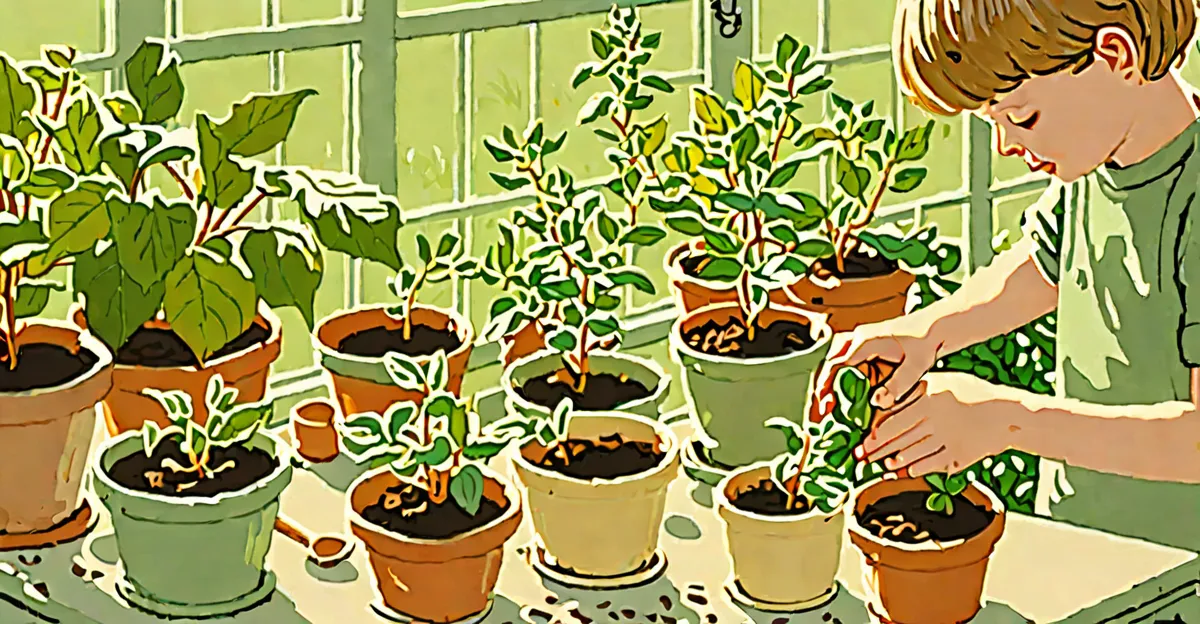
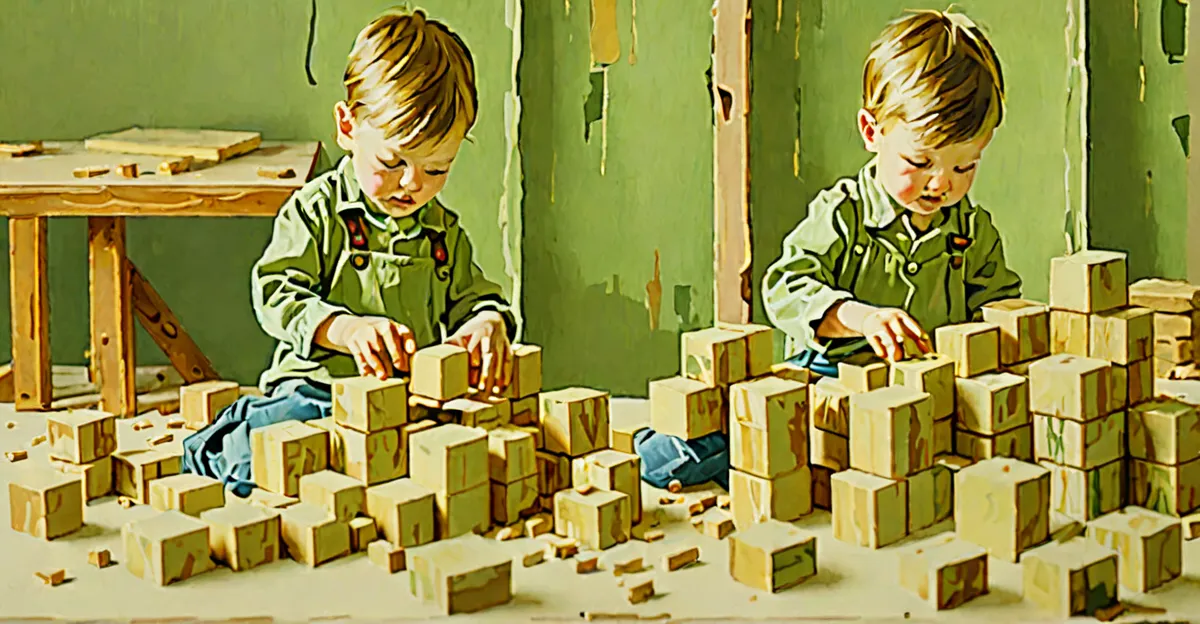
Maria Montessori worked in 1907 with handfuls of beans and wooden blocks. Rudolf Steiner designed schools in 1919 without television, computers, or plastic. Loris Malaguzzi documented children’s projects with a film camera in the 1960s.
Now it’s 2026. Your child asks Alexa about dinosaurs, builds a robot-dog with LEGO Spike, and watches how a volcano works on YouTube.
Do classic methods still make sense? Have Montessori, Waldorf, and Reggio survived the collision with technology?
The answer: yes. But not in their 1907 version. The best schools and parents worldwide are adapting these methods to 2026 – combining philosophy with science, technology, and new brain research. And doing it wisely, without throwing the baby out with the bathwater.
In this article, you’ll see how each method is changing, what 2025–2026 research says, and how to apply this at home.
Montessori + STEAM: Independence Meets Robots
What Changed
Maria Montessori said: “Follow the child.” In 2026, the child follows robots, coding, and experiments. And that IS Montessori – because the child chooses what interests them.
Modern Montessori schools worldwide integrate:
- Robotics – Bee-Bot, LEGO Spike, Cubetto (screen-free programming)
- STEM experiments – kitchen chemistry, physics with blocks, biology in the garden
- Sustainability – eco projects (composting, recycling, gardening)
- Entrepreneurship – children run “mini-businesses” (lemonade stand, toy exchange)
2025–2026 Research
The 2025 RCT (first nationwide in the US) confirms: Montessori improves executive function, reading, and perspective-taking – skills that are the foundation of STEAM. Children who can plan, test hypotheses, and draw conclusions (Montessori) naturally perform better in science and technology.
Lovevery 2026 report: parents increasingly combine Montessori materials with STEM kits – and children engage longer than with either alone.
How to Apply at Home
Screen-free robotics (age 4+):
- Cubetto – a wooden robot programmed with colored blocks (Montessori aesthetics, coding logic)
- Bee-Bot – a robot bee with directional buttons
- Or for $0: “Robot-Parent” – child gives you step-by-step instructions (“go straight, turn left, pick up teddy”), and you execute EXACTLY what they say (even if it’s absurd). That IS programming.
STEM in the kitchen (age 3+):
- Combined with practical life: “Measure 200ml of water” (math) → “What happens when we add baking soda?” (chemistry) → “Clean up” (independence)
- Cooking = the best STEAM lesson: measuring, mixing, observing state changes, patience
Sustainability (age 2+):
- Montessori “practical life” 2026: waste sorting, composting, watering plants
- Child tends their own garden (even potted) – observing growth = biology + math + patience
Key principle: technology is a TOOL, not a GOAL. The child programs a robot to solve a problem – not to “play with a tablet.”
Waldorf + Neuroscience: Rhythm Confirmed by Research
What Changed
Waldorf had a credibility problem for decades. Steiner wrote about “temperaments” and “etheric bodies” – concepts that modern science rejects. But beneath the esoteric layer lay brilliant intuitions that neuroscientists confirm in 2025–2026:
What Steiner knew “intuitively”:
- Daily rhythm regulates emotions → 2025: rhythm lowers cortisol in children ages 3–6
- Delayed academic learning (until age 7) doesn’t harm → 2025: play-based learning in preschool beats early academics in long-term outcomes
- Imagination builds thinking → 2026: symbolic play correlates with higher executive function
- Nature heals → 2025: 25-fold growth in forest schools in the US over a decade; studies confirm cognitive and emotional benefits
- Movement = learning → 2026: embodied cognition – the body is part of the thinking process
What Steiner got wrong (and modern Waldorf rejects):
- Choleric/sanguine temperaments as diagnostic tools → no scientific basis
- Delaying reading until age 7 for ALL children → some children are ready earlier, and blocking them is harmful
- Zero technology of any kind → extreme; thoughtful tech use (e.g., documentation, screen-free coding) can support development
- Anthroposophy as the basis of pedagogy → modern Waldorf schools are moving from spirituality to neuroscience
2025–2026 Research
- Play-based preschool learning beats traditional academic approaches: better behavior, reading skills, and social abilities throughout the year (Education 3-13, 2025)
- Ethnographic forest school research (2026): three pillars of success are slowing down, supporting the whole child, trusting children’s autonomy – exactly what Waldorf taught
- Neuroscience of rhythm: a consistent daily order activates predictable neural patterns – the brain uses less energy on “what now?” and has more resources for learning and regulation
How to Apply at Home
Waldorf 2.0 – without esotericism, with science:
Neuroscience-based rhythm (not “cosmic cycles”):
- Morning: physical activity (brain needs movement after sleep)
- Before noon: learning/projects (peak concentration for ages 3–7)
- After lunch: quiet/recovery (cortisol naturally rises – needs reset)
- Afternoon: free play/nature (creativity flourishes after rest)
- Evening: closing rituals (hippocampus consolidates the day’s memories)
Storytelling with neuroscience:
- Tell stories, but CONSCIOUSLY: “The character feels angry – what’s happening in their body? Heart beats faster, hands clench. What can they do?”
- This combines Waldorf narrative with interoception (body awareness) – one of the newest tools in emotional therapy
Nature as laboratory:
- A forest walk isn’t a “Waldorf walk” – it’s a STEM lesson at its finest
- “How many ants are carrying that leaf?” (math)
- “Why is this bark wet?” (biology)
- “What happens if we throw a stone into the puddle?” (physics)
- Waldorf + science = magic
Reggio + Digital Documentation: 100 Languages in the Smartphone Era
What Changed
Malaguzzi spoke of “100 languages of children” in an era when documentation meant photos from a film camera, drawings on paper, and handwritten quotes. In 2026, those 100 languages have gained new forms:
- Photos and video – the child photographs their own process (parent’s phone in a drop-proof case)
- Digital portfolio – instead of a folder of drawings → a digital folder with dates and descriptions
- Project timelapse – a 30-second video showing how a block construction developed over a week
- Presentations – older children (5–7) create simple slideshows about their projects
- QR codes on exhibitions – in Scandinavian Reggio preschools: the child scans a QR by their work and sees a video of the process
2025–2026 Research
- Digital documentation doesn’t replace drawing and writing – it supplements them. Children who document projects both digitally AND analog show higher levels of reflection on their own learning
- Key 2025 study: children who review photos of their week’s projects remember better and appreciate the process more (not just the result)
- Risk: mindlessly photographing EVERYTHING kills reflection. Reggio principle: the child decides what’s worth documenting
How to Apply at Home
Digital portfolio (age 3+):
- Create a folder “[Name] – Projects 2026” on your phone/cloud
- After each project/play: child selects 1–2 photos for the “archive”
- Once a week: browse together – “Remember this? What were you building?”
- Monthly: print the best ones for a wall collage
Child as photographer (age 4+):
- Give the child a phone (or old camera) for 15 minutes
- Task: “Photograph 5 things that made you curious today”
- In the evening: view together and discuss
- This is PURE Reggio – the child documents their world through their own eyes
Project timelapse (age 5+):
- Child builds something over a week (block tower, garden, drawing)
- Daily: one photo from the same angle
- On the weekend: slideshow (or simple phone video)
- Child sees PROCESS, not just result – teaches patience and reflection
Key Reggio principle for digital documentation:
- Child DECIDES what to photograph (not the parent)
- Less = more (3 intentional photos > 50 mindless ones)
- Documentation serves REFLECTION, not Instagram
Table: Classic vs Modern Approach
| Aspect | Classic Montessori | Montessori 2026 |
|---|---|---|
| Materials | Wooden, teacher-prepared | + loose parts, STEM kits, recycled materials |
| Technology | Zero | Screen-free coding, educational robots as tools |
| Learning | Through sensory materials | + STEM experiments, sustainability |
| Documentation | Teacher observation | + child portfolio |
| Aspect | Classic Waldorf | Waldorf 2026 |
|---|---|---|
| Foundation | Anthroposophy | Neuroscience + developmental psychology |
| Rhythm | ”Cosmic rhythm” | Rhythm based on cortisol and attention cycles |
| Technology | Absolute zero | Selective, intentional use (documentation, coding) |
| Learning | Delayed until age 7 | Flexible – follow the child’s readiness |
| Storytelling | Grimm fairy tales | + stories with interoception and emotion neuroscience |
| Aspect | Classic Reggio | Reggio 2026 |
|---|---|---|
| Documentation | Analog (photos, drawings) | + digital (portfolio, timelapse, QR) |
| Projects | Paper, paint, clay | + STEAM, coding, multimedia |
| Environment | Physical | + digital learning spaces |
| 100 languages | Drawing, sculpture, movement | + photography, video, programming |
Pitfalls of Modern Adaptations
-
Technology as goal, not tool. A robot exists so the child solves a problem – not to “play with a tablet.” Montessori: if the child isn’t learning independence – it’s not Montessori, even with a robot.
-
Throwing out the philosophy. Waldorf without rhythm isn’t “modern Waldorf” – it’s just no structure. Reggio without documentation isn’t “flexible Reggio” – it’s no reflection.
-
Instagram adaptations. “Montessori + STEAM” doesn’t mean buying a $100 kit and taking a photo. It means: the child measures, observes, and draws conclusions on their own.
-
Fear of technology. “Zero screens” in 2026 is as extreme as “tablet 8 hours a day.” Smart technology use (15 minutes of Cubetto coding, photo documentation) supports development when INTENTIONAL and LIMITED.
-
Ignoring neurodiversity. Modern adaptations MUST include neurodivergent children. A robot requiring 20 minutes of focus won’t work for an ADHD child without modifications (shorter sessions, movement between steps).
How to Start at Home – 4-Week Plan
Week 1: Montessori + STEM
- One kitchen experiment (baking soda + vinegar)
- Child measures, observes, and cleans up on their own
- Record the result (drawing or photo)
Week 2: Waldorf + neuroscience
- Introduce neuroscience-based rhythm (activity → learning → quiet → play → ritual)
- One story with a question about the character’s emotions and body
Week 3: Reggio + digital documentation
- Child photographs 5 things that sparked their curiosity
- Review together in the evening
- Best photo → on the fridge/wall
Week 4: The blend
- Combine favorite elements from each week
- Observe what works for YOUR child
- Adjust and repeat
Summary: Evolution, Not Revolution
Montessori, Waldorf, and Reggio aren’t dying in 2026. They’re evolving. And this evolution is beautiful:
- Montessori keeps independence but adds robots and experiments
- Waldorf keeps rhythm and imagination but grounds itself in neurology instead of esotericism
- Reggio keeps “100 languages of children” but adds digital forms of expression
The best parents and teachers in 2026 don’t choose between tradition and modernity. They take what works and discard what lacks evidence.
Your child doesn’t live in 1907. But the principles of independence, rhythm, and curiosity are timeless. They just need updating.
Want a ready-made “4-Week Plan: Modern Adaptations at Home”? Sign up for our newsletter – we’ll send the PDF.
Next article: how to teach your child to deal with failure and frustration – games and activities for resilience.
Read also
- ChatGPT for Parents: How to Use AI Wisely
- How to Build Curiosity in Your Child (Not Just Knowledge)
- Low-Stim Parenting: A Digital Detox Guide
Frequently Asked Questions
Can I combine elements from Montessori, Waldorf, and Reggio at home without confusing my child?
Yes, and many modern parents do exactly this. The key is to understand the core principle behind each practice rather than following rigid rules. You might use Montessori-style practical life activities, Waldorf’s emphasis on daily rhythm and nature, and Reggio’s project-based exploration — all in the same week. Children aren’t confused by variety; they’re confused by inconsistency in boundaries and expectations.
How do I incorporate technology without contradicting the Montessori or Waldorf philosophy?
The 2026 adaptations of these methods aren’t anti-technology — they’re pro-intentionality. Use technology as a tool, not a babysitter: a microscope app to examine leaves up close, a slow-motion camera to watch how water flows, or a coding robot that teaches sequencing through physical play. The rule of thumb is that technology should amplify hands-on learning, not replace it.
Are modern adapted methods backed by actual research, or is it just a trend?
The adaptations described in this article are grounded in neuroscience research from 2024-2026 that validates many classical principles while updating the application. For example, brain imaging studies confirm Montessori’s insight about sensitive periods, while longitudinal studies show that Waldorf’s emphasis on rhythm reduces cortisol levels in children. These aren’t trendy rebrands — they’re evidence-based evolutions of time-tested approaches.
Author
Dzieckologia Team
Tags:
Like this topic?
🚀 Browse all "Future" articles