


Skip to content
Science-based child development

Understand your child and stop comparing yourself

Practical knowledge about child development, ages 0–10. Science-backed, no ideology. For tired parents who want to know what actually works — not what's trendy.

Because good enough is the best kind of parent

44+ articles
Neuroscience research-based
100% free
Family reading book together

Why Dzieckologia?

Because parenting is hard enough without the guilt

No dogma

We take what works from the best methods and latest research

Budget-friendly

Zero cost — cardboard, stones, buttons teach more than expensive kits

Neurodiversity

Every article includes versions for ADHD, autism, and high sensitivity

Research-backed

Latest 2025-2026 RCTs and meta-analyses translated into parent language

Latest Articles

91 articles and growing

All articles
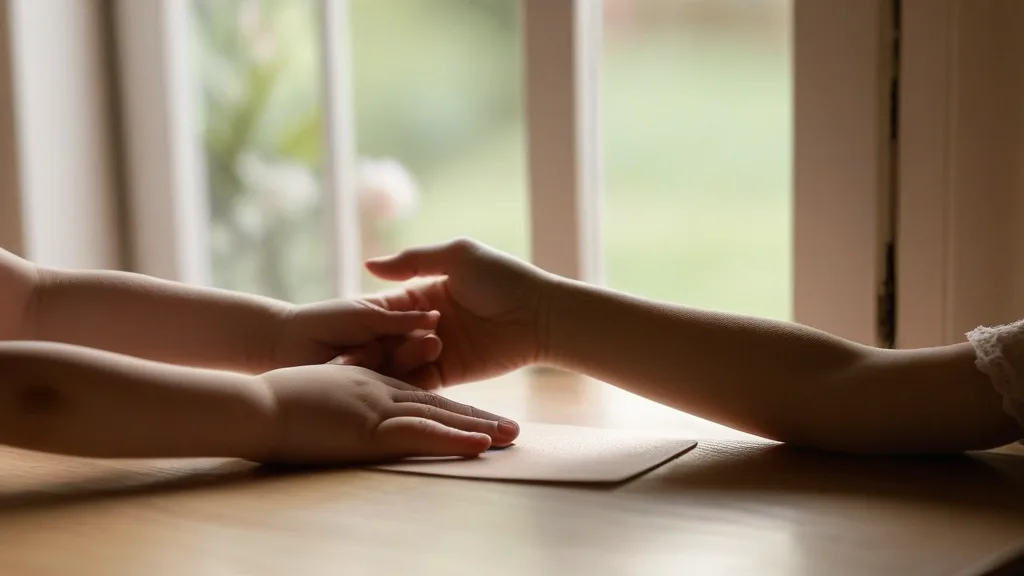
Makaton. How signs and symbols help a child speak before their first word
Language Sep 10

Makaton. How signs and symbols help a child speak before their first word

A child who cannot yet talk still has something to say. They have questions, longings, anger and ideas — they simply have no way to pass them on. Makaton is a system of simple signs and symbols used always alongside speech, giving a child a voice sooner than their speech apparatus can. And contrary to the fear parents raise most often: research does not show that it delays talking. It points the other way.

10 min
Read →
Paediatric physiotherapy without the scare stories. Which signs matter and what really happens in a session
Practical life Aug 27

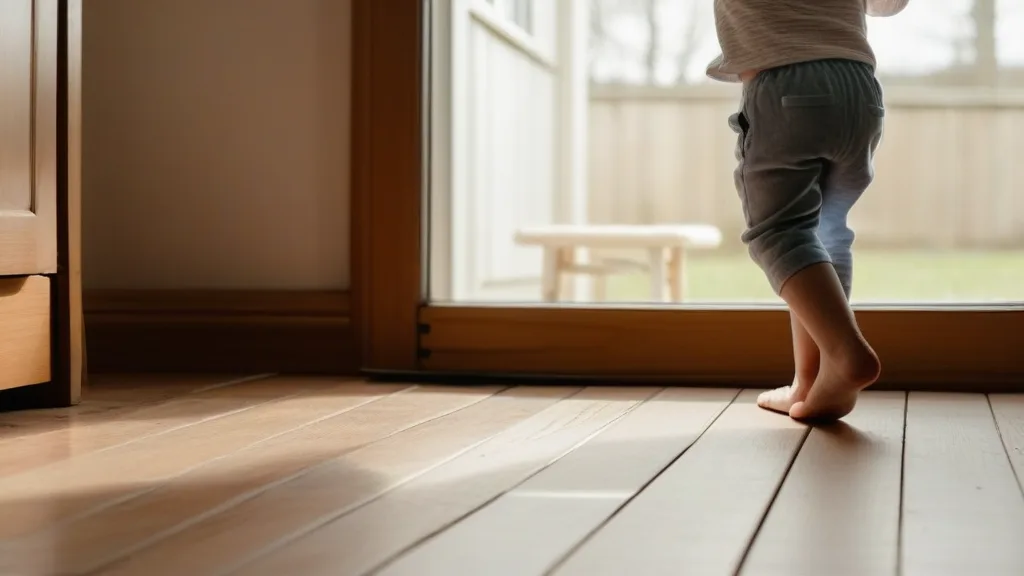
Paediatric physiotherapy without the scare stories. Which signs matter and what really happens in a session

Paediatric physiotherapy is not a set of rigid exercises but a shared journey through movement and play. I write about which everyday signals are worth noticing — and why W-sitting, the thing half the internet warns about, is not what we have been told. Plus concrete changes you can make at home so your child's body has better conditions to grow in.

11 min
Read →
A sensory diet at home. The daily plan and the games that genuinely calm a child
Sensory Aug 13

A sensory diet at home. The daily plan and the games that genuinely calm a child

A sensory diet has nothing to do with food. It is the deliberate dosing of movement and touch across the day — the way you plan meals rather than waiting until someone faints from hunger. Here is how to map one onto an ordinary weekday, which activities do the heaviest lifting, and why deep pressure calms a child faster than any amount of "calm down".

11 min
Read →